


Adelaide Hills and Hahndorf Day Trip from Adelaide
The Adelaide Hills are the closest wine region to the city, and the coolest. About 25 minutes after leaving Adelaide you can be among vineyards, gum forests, apple orchards and old stone villages, with around 50 cellar doors to choose from and Hahndorf, the German village founded in 1839, in the middle of it all.
We’re Carl and Ing, Adelaide locals who grew up around these wine regions. Here’s how we’d plan a day in the Hills: how to get there, what to drink, which cellar doors are worth your time, where to eat, and how the day can run.
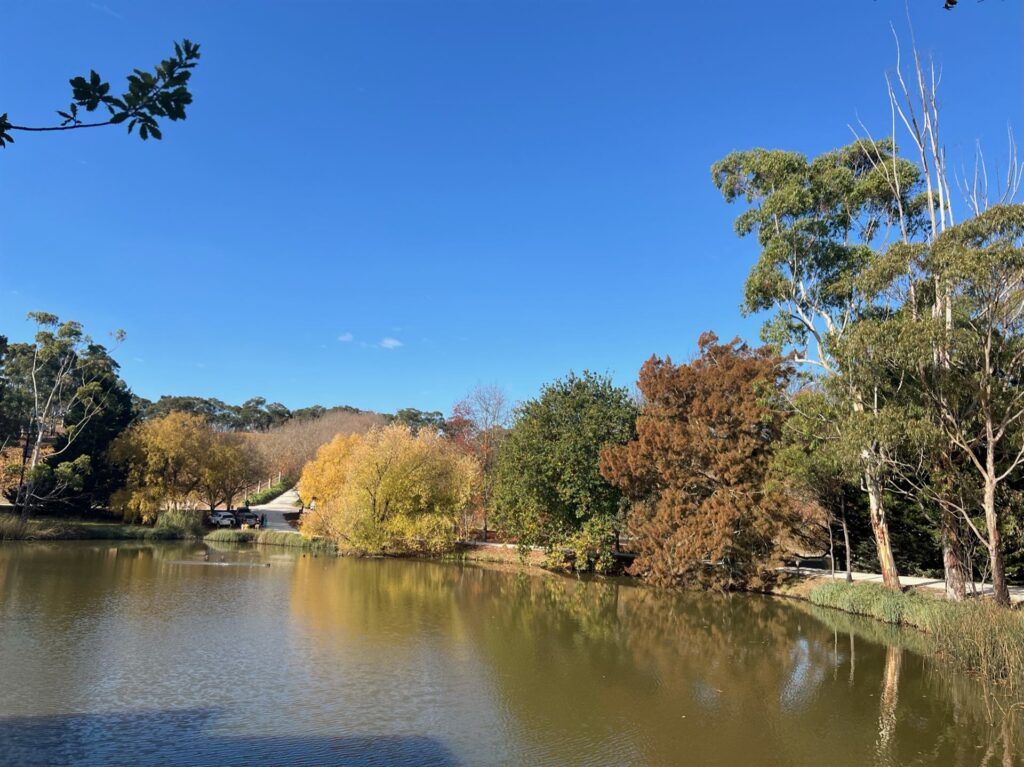
How far are the Adelaide Hills from Adelaide?
Not far at all. Head up the South Eastern Freeway, through the Heysen Tunnels, and you’re among the vineyards in about 25 minutes. Hahndorf is about half an hour from the city, so more of your day goes on tasting and less of it in the car.
The region is bigger than people expect, though. Its cellar doors are spread across the hills around Hahndorf, Balhannah, Woodside, Lobethal and Lenswood, often 10 to 20 minutes apart on narrow, winding roads, so it’s best to plan the day around one part of it.
How to get there
You have four options, and they suit different people.
Drive yourself
It’s the cheapest way, but someone has to stay sober all day, on roads that are narrow and winding. South Australia has random breath testing, and the limit is 0.05.
Public transport
Adelaide Metro buses run from the city to Hahndorf, and its main street is easy to walk. The cellar doors are spread across the hills, though, so you’d still need a car to reach them.
A group bus tour
A good budget option. You’ll share the day with strangers and follow a fixed route, with a set number of stops.
A private tour
Your own driver picks you up from your door and plans the day around what you like. With two or three of you, it often costs less than people expect. See our Adelaide Hills tour
What to drink in the Adelaide Hills
Altitude makes the wines here. Most vineyards sit 400 to 600 metres up in the Mount Lofty Ranges, where cool nights let the grapes ripen slowly and keep their freshness. That makes the Hills South Australia’s home of crisp, elegant whites and some of the country’s best sparkling.
Sauvignon Blanc made the region’s name: crisp and zesty, nothing like the riper whites from the warmer valleys. Shaw + Smith’s, first made in 1990, is still the one to try.
Chardonnay is the other great white here, fine and citrusy rather than rich and buttery. Pinot Noir does well in the coolest spots, such as the Piccadilly Valley and Lenswood, the region’s two official subregions, and the two grapes go into its sparkling wines too.
Look out for something different as well. Hahndorf Hill is one of Australia’s leading makers of Grüner Veltliner, Austria’s signature white grape, and the small makers around Basket Range have made it the home of Australian natural wine. Weighing it up against the other regions? See how the Barossa, McLaren Vale and Adelaide Hills compare.
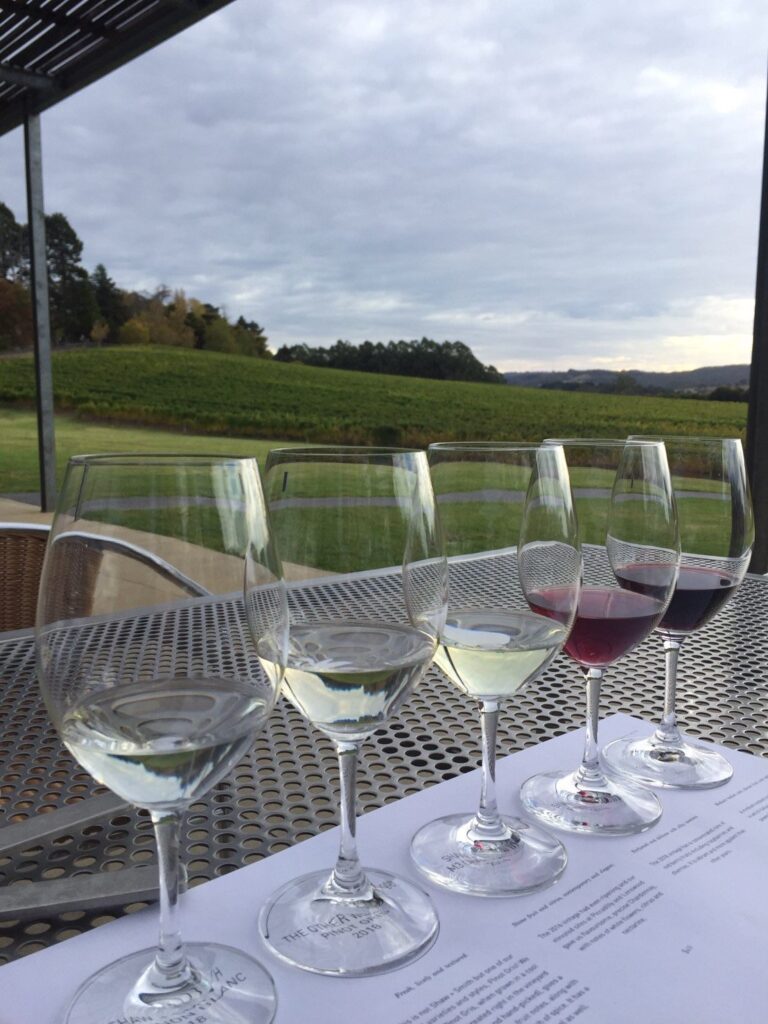
Cellar doors worth your time
There are around 50 to choose from. These are some we love, a mix of the names that made the Hills famous and smaller family producers.
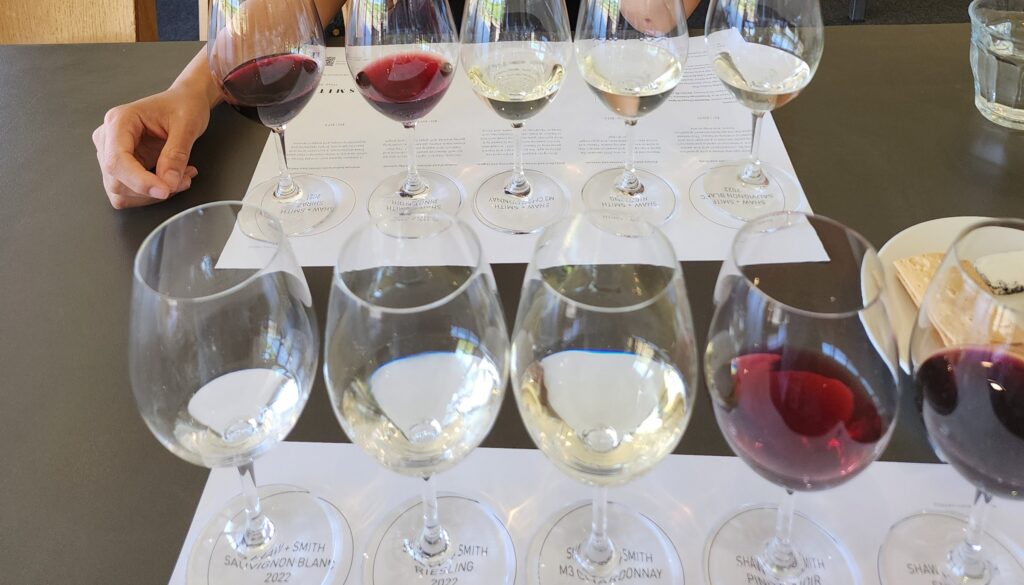
Shaw + Smith
Cousins Martin Shaw and Michael Hill Smith, Australia’s first Master of Wine, started it in 1989. The seated tastings look straight out over the vines: the classic flight is five wines in about 45 minutes, M3 Chardonnay included.
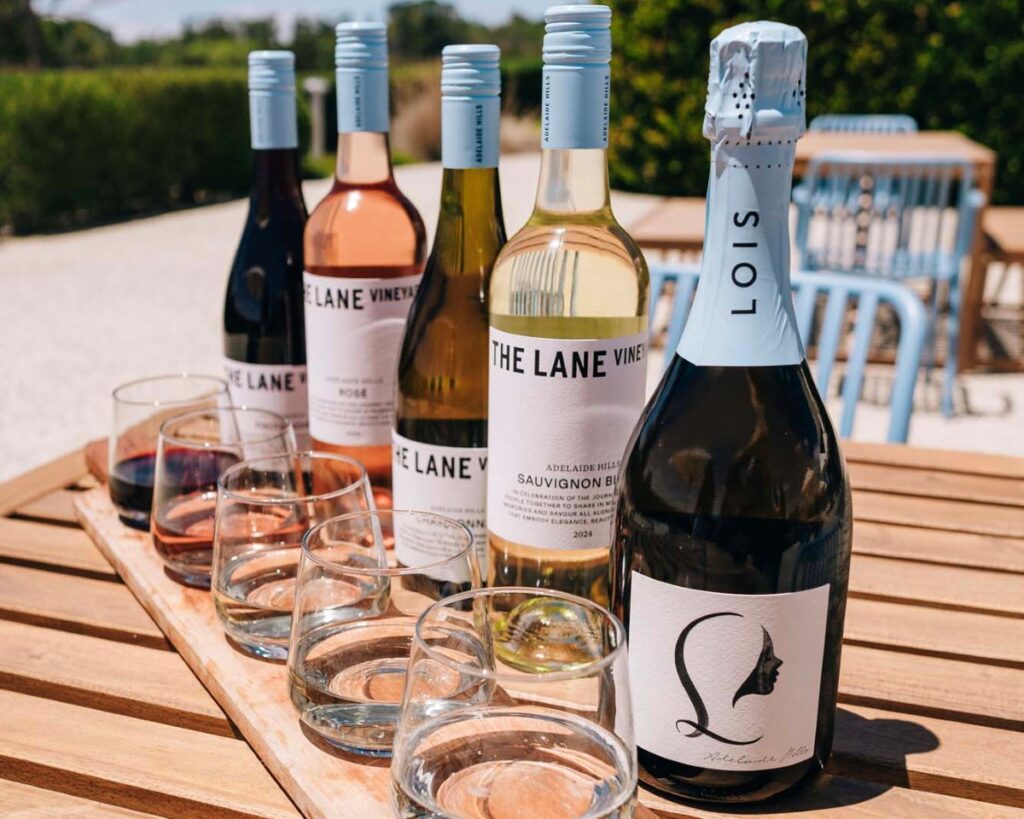
The Lane Vineyard
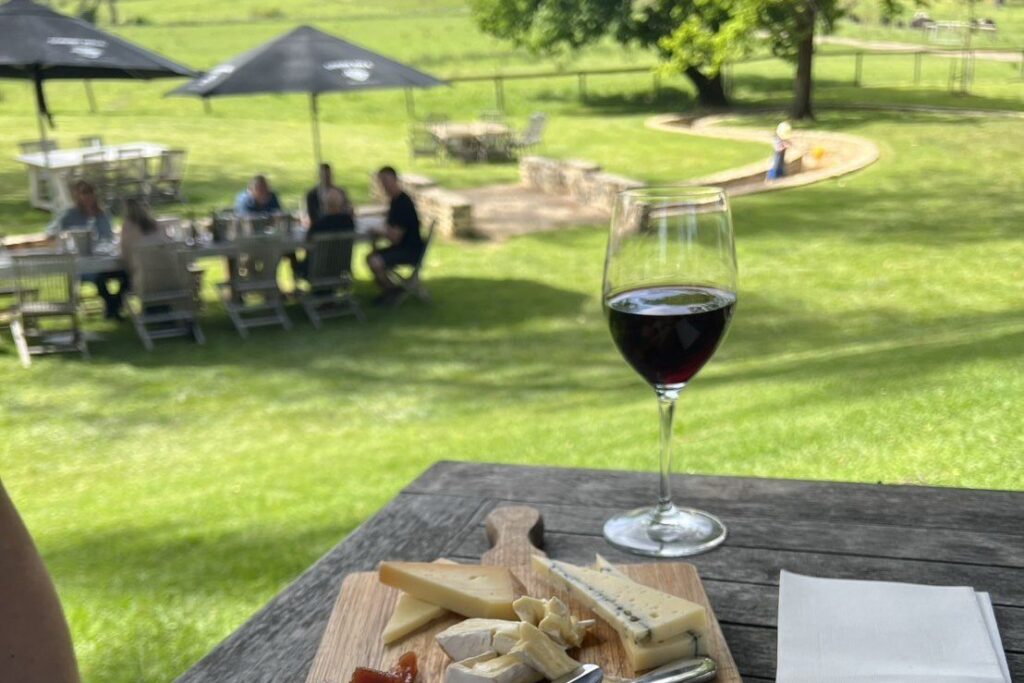
High on a ridge just outside Hahndorf. Its first vines were planted in 1993, and lunch in its restaurant comes with one of the best views in South Australia.
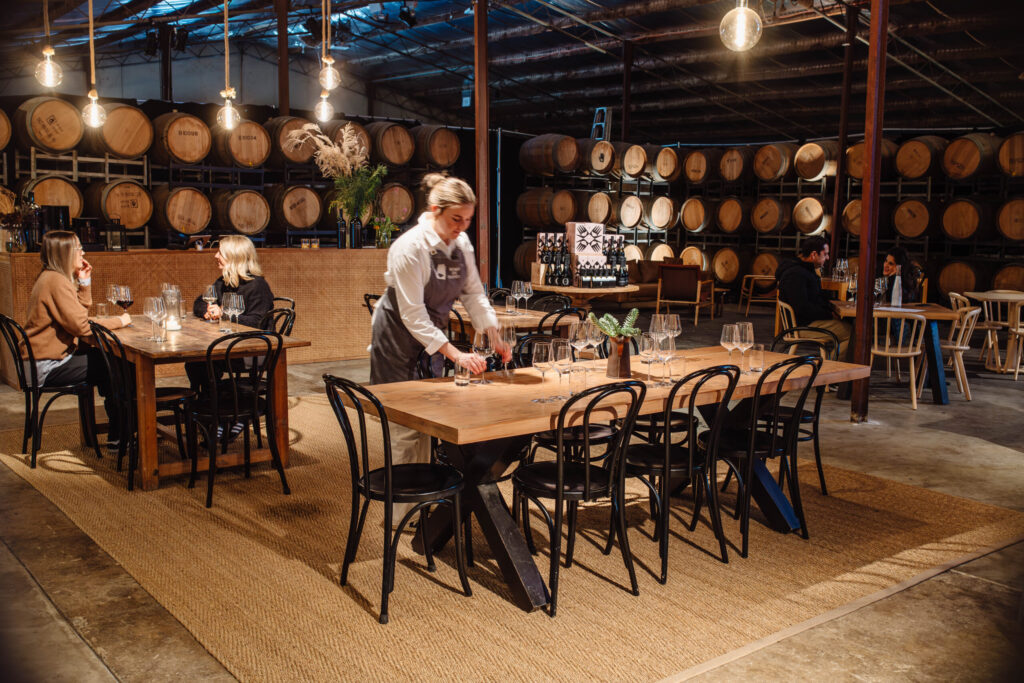
Bird in Hand
The Nugent family started it on an old dairy farm in 1997, and named it after the gold mine next door, which was worked in the 1880s. It’s as well known for its sparkling as its still wines, so it’s a lovely place to finish the day.
Nepenthe
Just along Jones Road from Shaw + Smith. The Tweddell family planted its first vineyard at Lenswood in 1994, when the region was still making its name. The name comes from Homer: a drink said to chase away sorrow.
Hahndorf Hill
One of Australia’s leading producers of Grüner Veltliner. Since 2025 it has been run by the families behind Wirra Wirra, one of our McLaren Vale favourites, and its cellar door sits among the vines just outside town.
Petaluma
Brian Croser founded Petaluma in 1976, and his vineyards in the Piccadilly Valley helped start the modern Hills wine story. Its cellar door, opened in 2015, is a converted farmhouse with views across the Hills.
Sidewood
Owen and Cassandra Inglis bought their first vineyard in 2004 and now grow grapes at four sites across the Hills. Their cellar door and restaurant opened on the edge of Hahndorf in 2020, with a courtyard and bocce courts.
Some cellar doors charge a small tasting fee, often waived if you buy a bottle. Seated tastings need booking, especially on weekends.
A wander in Hahndorf
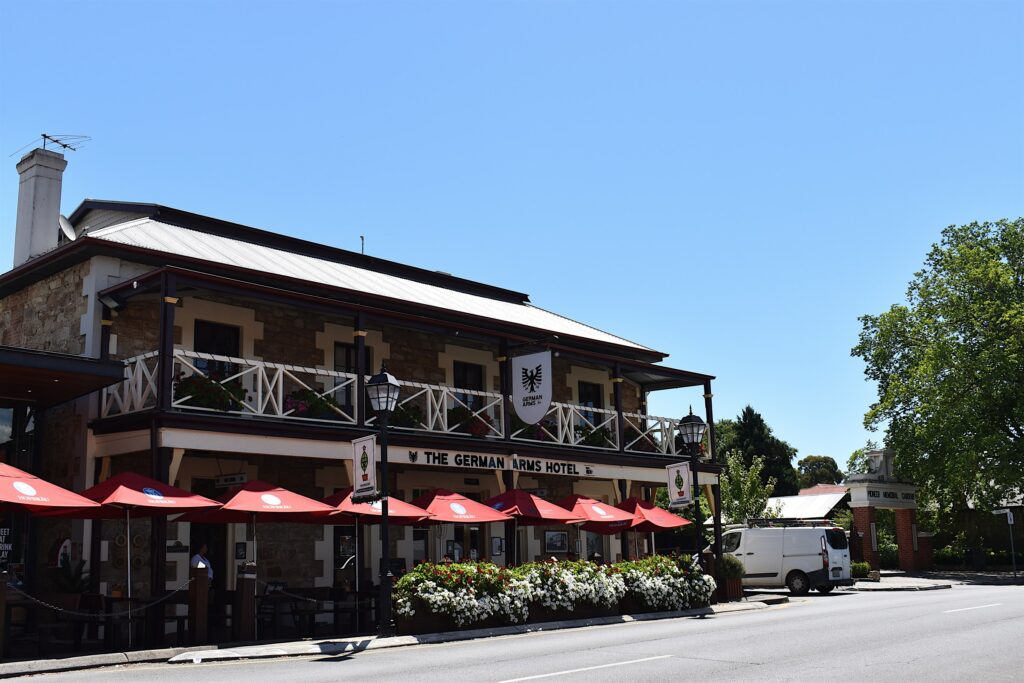
Hahndorf is Australia’s oldest surviving German settlement. Lutheran families from Prussia sailed to South Australia on the Zebra and founded the village in 1839, naming it after their captain, Dirk Hahn. Its main street is still lined with old stone buildings, now home to bakeries, providores, galleries and pubs, and the German Arms Hotel dates back to the village’s first year.
It’s an easy stop between cellar doors: stretch your legs, grab a coffee or a pastry, and browse the shops for half an hour or so.
More to see in the Hills
If you have time to spare, or someone in your group would like a break from the wine, there’s plenty more to see.
Mount Lofty Summit
The highest point of the ranges above the city, with views over the whole of Adelaide. Cleland Wildlife Park, just below it, is the place to see koalas up close.
Mount Lofty Botanic Garden
Free to visit, and at its best in autumn, when the trees around its lake turn red and gold.
The Cedars, Hahndorf
The home and studios of Hans Heysen, the painter famous for his gum trees. The freeway’s Heysen Tunnels are named after him.
Beerenberg Farm, Hahndorf
The Paech family have farmed here since 1839. Pick your own strawberries from about November to April.
Where to eat
Lunch in the Hills can be anything from a pub schnitzel to a long, slow degustation. A few of our favourites:
- The Lane Vineyard, Hahndorf. Seasonal food and estate wines, with one of the best views in the Hills.
- Sidewood, Hahndorf. A relaxed restaurant at the cellar door, with a courtyard and bocce.
- Hardy’s Verandah, Crafers. Fine dining at Mount Lofty House, looking out over the Piccadilly Valley, for a special occasion.
- The German Arms Hotel, Hahndorf. A historic pub on the main street, for German food and a cold beer.
A sample Adelaide Hills day trip
Here’s how a day with us often runs. Every tour is planned around you, so treat this as an example, not a fixed list.
- 10:00amWe pick you up from your hotel, home or Airbnb anywhere in Adelaide.
- 11:00amA seated tasting at Shaw + Smith, as its doors open.
- 12:00pmNepenthe, just along Jones Road.
- 12:45pmA wander down Hahndorf’s main street.
- 1:30pmLunch at The Lane, looking out across the Hills.
- 3:00pmBird in Hand, for a glass of sparkling to finish.
- 4:15pmHead back to the city, home by about 5pm.
Tips for your day
- Book ahead, especially on weekends, in spring and autumn, and over the Crush festival in late January.
- Check the days. Some cellar doors and restaurants close early in the week, so a Monday to Wednesday trip needs a little more planning.
- Three or four cellar doors is plenty. You’ll enjoy them more with time to sit and taste.
- It’s fine to spit or tip out. Every cellar door has a spittoon, and nobody minds.
- Bring a layer. It’s noticeably cooler up here than in the city, all year round.
- Come in autumn for the colours. From late March to May the trees turn red and gold.
Let us plan your Adelaide Hills day
We run private Adelaide Hills day tours from Adelaide for one to three guests. We pick you up from your door, book the cellar doors and lunch, and do all the driving, so all you have to do is enjoy the wine. It’s $500 for two, and a third guest comes free.
German Arms Hotel photo by BRPever, CC BY-SA 4.0, via Wikimedia Commons.
